



The Story Behind Matcha: More Than Just Green Tea
From lattes and desserts to elegant tea ceremonies, matcha has become a global favorite. But behind that vibrant green powder lies a story that spans over a thousand years — one that blends history, spirituality, and the quiet beauty of Japanese culture.
Ancient Origins
The story of matcha begins in China during the Tang (618–907) and Song (960–1279) dynasties, when monks began grinding tea leaves into powder and whisking them in bowls. This powdered tea was valued for meditation and alertness.
In the late 12th century, the Japanese Zen monk Eisai brought this method home from China, along with tea seeds. He planted them near Kyoto and promoted tea as a medicine and aid to spiritual focus. His book, Kissa Yōjōki (“Drinking Tea for Health”), praised tea’s ability to calm the mind and strengthen the body.
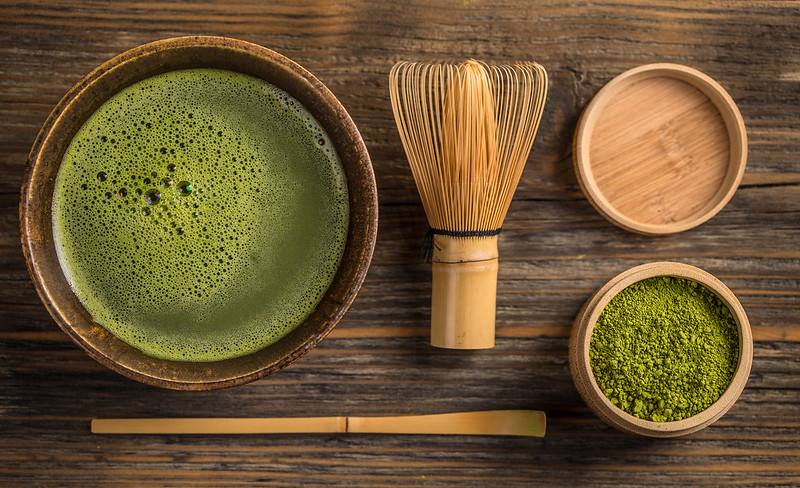
From Temple Ritual to Art Form
At first, powdered tea was mainly enjoyed by monks and the aristocracy. But during Japan’s Muromachi period (14th–16th centuries), tea gatherings evolved into refined social rituals emphasizing aesthetics and mindfulness.
This transformation culminated in the Japanese tea ceremony, known as chanoyu or sadō (“the way of tea”). Masters like Sen no Rikyū (1522–1591) shaped the ceremony’s philosophy around wabi-sabi — the appreciation of simplicity, imperfection, and tranquility. Matcha became not just a beverage, but a symbol of inner harmony and respect.
What Makes Matcha Unique
Unlike other teas, matcha is made from shade-grown leaves called tencha. Weeks before harvest, farmers cover the plants to block sunlight, boosting chlorophyll and L-theanine — the amino acid that gives matcha its smooth, umami flavor.
The leaves are steamed, dried, and stone-ground into a fine, bright green powder. Because you drink the entire leaf rather than an infusion, matcha offers a richer taste and more nutrients than typical green tea.
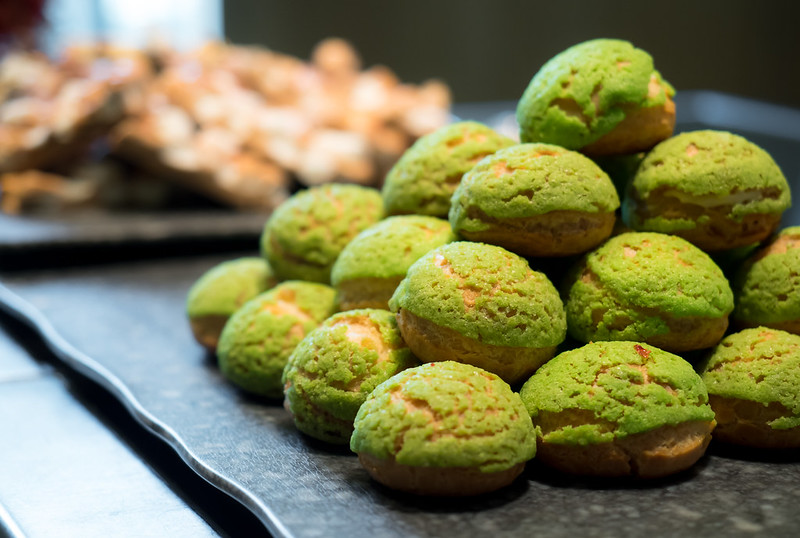
Matcha Today
While once reserved for temples and tea masters, matcha is now celebrated worldwide. It’s whisked into lattes, blended into sweets, and featured in cafés across the globe. Yet in Japan, it remains a symbol of mindfulness, respect, and connection — values at the heart of the traditional tea ceremony.
Whether enjoyed quietly in a tatami room or in a modern café, matcha invites us to pause, breathe, and savor the moment — a small, vibrant reminder that it’s more than just green tea.